JEO 16 - News Roundup - 25 June 2026
Topping this news roundup, JAXA’s H3 rocket has returned to flight, plus the usual funding and contract announcements.
Welcome to Japan Earth Observer (JEO), a monthly newsletter about the space, Earth observation and geospatial industries in Japan.
Topping this news roundup, JAXA’s H3 rocket has returned to flight, plus the usual funding and contract announcements. I owe an apology for a tardy newsletter. Wear-and-tear caused me to have to swap out my right knee for a new one, and the recovery has been more brutal than I expected.
Due to the knee surgery, I won’t be in Japan for SPACETIDE in July, but I will be there in mid-August in order attend FOSS4G Hiroshima 2026 as well as help organize a couple of additional events that I invite you to consider attending:
- Cloud Native Geospatial (CNG) Japan - Mon, 24 August - Tokyo - a half-day community meetup in Tokyo with demos, conversation, and a social reception. If you or your colleagues are doing work related to CNG and open data - tool development, a production deployment, a work in progress, a tool, a workflow, or a hard-won lesson - please submit a talk proposal. Talks can be given in English or Japanese. We're still finalizing a Tokyo venue — if you know of a good space for hosting an afternoon event like this, please let me know.
- STAC Japan Code Sprint and Workshops - Tue 25 Aug - Thur 27 Aug - JAXA Tsukuba Space Center. This second event is actually three-in-on. There will be a. The first day is a code sprint. Day 2 is a workshop for STAC producers and Day 3 is a workshop for STAC data users. Advance registration is required.
These are going to be great events, and I'm looking forward to both connecting with friends and meeting new folks in the geospatial open source and open data community.
On to the news…
News & Announcements
🛰️ Technology and Infrastructure
- JAXA successfully carried out a return-to-flight launch of the H3 rocket from Tanegashima Space Center on 12 June [Space.com]. This follows the results of an investigation into the failure of the second stage and loss of the Michibiki 5 navigation satellite in December. JAXA determined that there was a flaw in the manufacturing process [The Register] of the satellite mounting structure. Excessive heat during the manufacturing process weakened the adhesive used to connect elements of structure. When the H3’s fairing separated from the payload, it caused the mounting structure components to delaminate and the heavy satellite payload to shift such that it damaged a fuel pipe for the second stage engine. WIth the damaged fuel pipe, the engine failed to generate sufficient thrust to reach orbit and the satellite fell off the mounting structure, tumbling back to Earth. The June test flight carried a dummy payload and six small satellites developed by universities and other organizations (STARS-X, BRO-19, VERTECS, HORN-L, HORN-R and PETREL). WIth a successful launch, JAXA will now be able to return to more regular flights, and the first one will be in early August. JAXA has several launches queued up for FY2026, including QZSS-7, HTV-X2 and HTV-X3 cargo ships to the ISS, the MMX mission to Mars, an Engineering Test Satellite (ETS-9 or Kiku-9), and a surveillance satellite in the IGS-Optical program (情報収集衛星).
- Why does this matter? The H3 rocket was developed to fly more frequently at lower cost, and it’s critical that it return to regular flights. The overall launch industry is also very supply-constrained right now. The Ariane-6 does not fly frequently, and all of its launches for 2026 are booked with either ESA missions or Amazon Leo launches. SpaceX Starship is years behind schedule. After a record year of 165 launches in 2025, the SpaceX Falcon 9 is scaling back this year. ULA Vulcan and Blue Origin New Glenn have both recently had launch issues and are now paused while they undergo investigations. Rocket Lab Electrons are launching small sats, but the medium-lift Neutron has been delayed until at least late 2026. ULA Atlas V is still launching, but there are only eight of them left until it is retired. The result is a fairly constrained launch capacity amidst increasing demand.
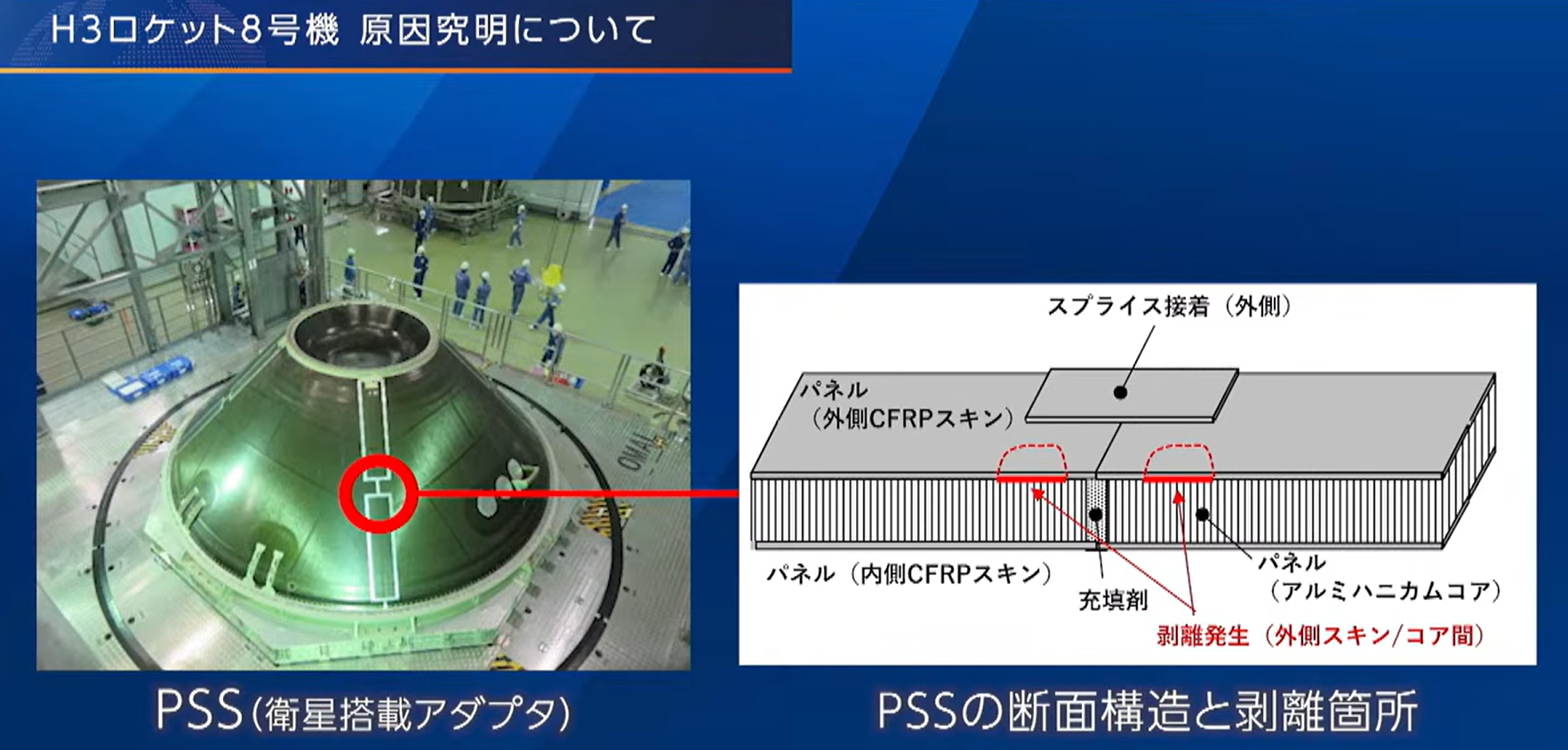
H3 flight 6 tested a fix for the payload support structure that caused the December flight failure. Source: JAXA
- JAXA also successfully launched eight research payloads as part of JAXA's Innovative Satellite Technology Demonstration-4 (革新的衛星技術実証4号機) program on a Rocket Lab Electron. JAXA selected ExoLaunch to provide launch services [SatNews] using ExoLaunch's EXOpod NOVA satellite deployer to insert into sun-synchronous orbits. Rocket Lab has dubbed the launch "Kakushin Rising", and it was launched from Mahia, New Zealand [YouTube] to a 540 km circular orbit on 23 April.
- Why does this matter? JAXA has usually launched these missions on the domestic Epsilon rocket series, but the new Epsilon S rocket has been delayed by multiple test failures, so JAXA has turned to Rocket Lab while Epsilon development continues. The eight satellites - MAGNARO-II, KOSEN-2R, WASEDA-SAT-ZERO-II, FSI-SAT2, OrigamiSat-2, Mono-Nikko, ARICA-2, and PRELUDE - have an array of purposes, from ocean monitoring to testing ultra-small multi-spectral cameras and a compact origami-inspired deployable antenna. They vary from 1U to 6U and 1 kg to 10 kg.
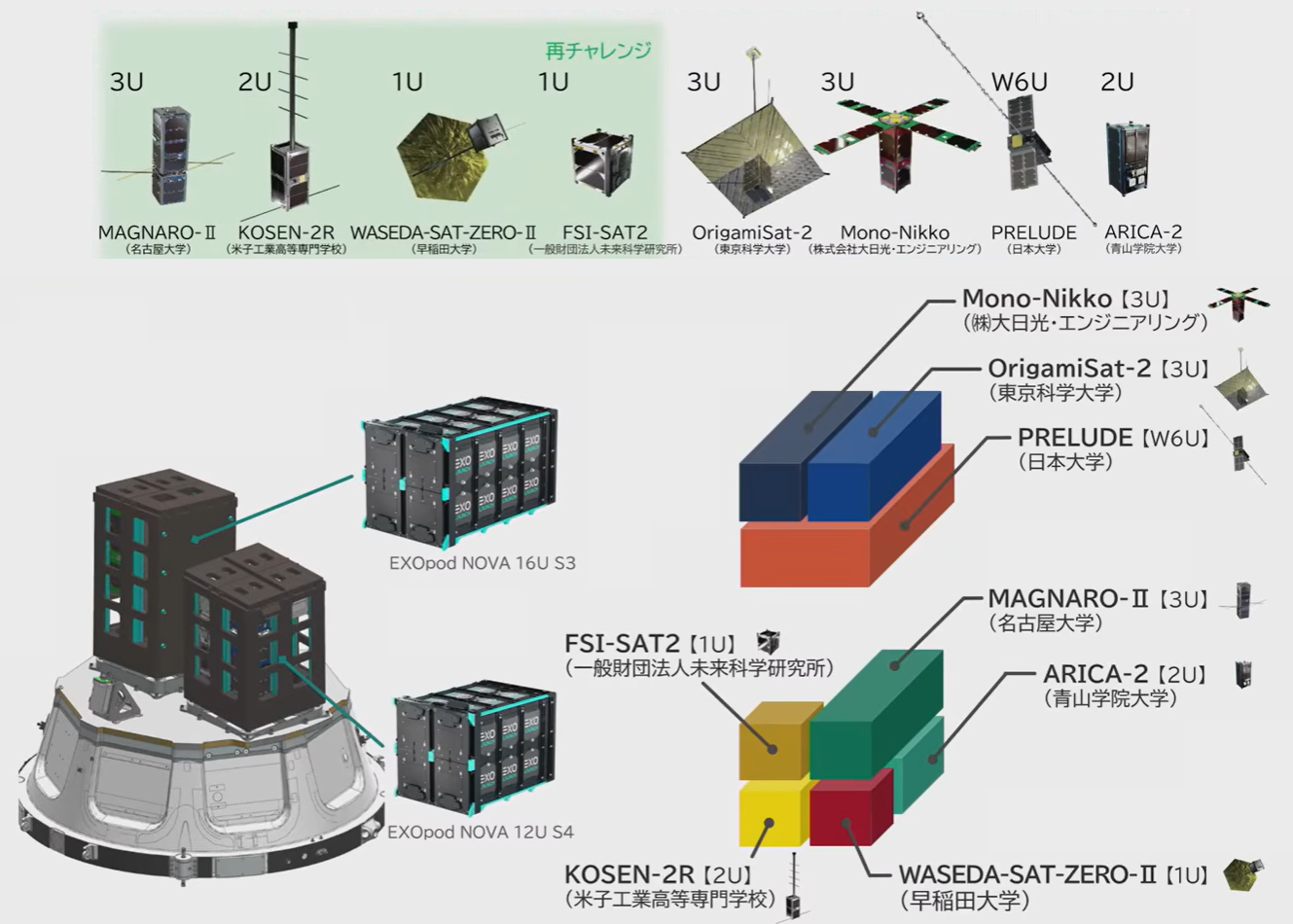
The eight satellites packaged into the EXOpod Nova units. Source: JAXA
- Weathernews (ウェザーニューズ) is making available its real-time vessel position and high-precision marine weather data in the SeaNavigator platform for free [WeatherNews] on an emergency, limited-period basis for Middle East waters due to the war in the Strait of Hormuz. The temporarily free portal provides: (1) live vessel location data sourced from Kpler's marine traffic feed; (2) global weather and ocean condition forecasts including wind, wave height, wave direction, and sea surface temperature at 1-hour intervals up to 5 days ahead, updated every 4 hours; and (3) pinpoint wave and wind forecasts for approximately 140 ports across the Persian Gulf, Red Sea, and western India at 48-hour, 5-day, and 7-day intervals. The free service targets ship captains and fleet operations managers needing to navigate Hormuz-specific hazards such as the Shamal wind and sudden squalls, as well as cargo owners and energy operators tracking potential LNG tanker and container ship arrival delays. The full paid version of SeaNavigator was launched commercially in October 2024 and upgraded with an AI engine in October 2025.
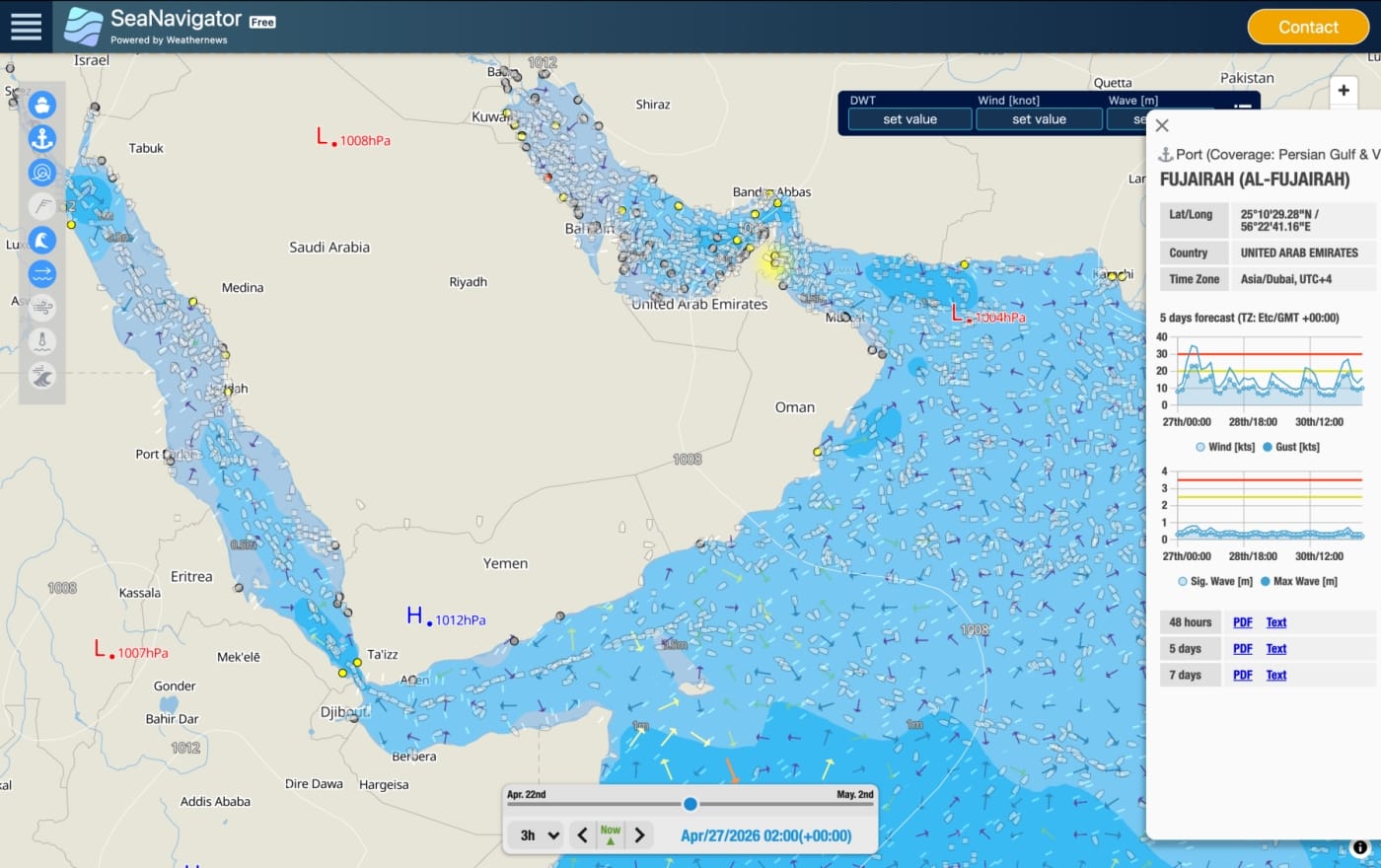
WeatherNews SeaNavigator product. Source: WeatherNews Inc.
- Astroscale has released its concept of operations and target "client" satellites for its ISSA-J1 servicing mission planned for 2027. The mission is ground-breaking. It will mean approaching two "client" satellites -- ALOS and ADEOS-II -- operating in different orbits using a spiraling orbit toward each one in order to maintain a safe approach. These two satellites were both launched more than 20 years ago and are each almost 4 metric tons, 80-90 cubic meters, with 22-24 m solar panels attached. The ISSA-J1 inspection spacecraft is much smaller, about 650 kg, and quite agile, sporting 12 chemical and electric thrusters enabling it to make careful adjustments as it approaches the retired satellites. The ISSA-J1 mission is funded by an SBIR from the Ministry of Education, Culture, Sports, Science, and Technology (MEXT) and will be launched by an Indian NSIL Polar Satellite Launch Vehicle (PSLV) in spring 2027.
- ALOS was the first of four Advanced Land Observing Satellites (also known as Daichi) and launched in January 2006. After a 5 year Earth observation mission that included surveys of the 2011 Tohoku earthquake and tsunami disaster, it abruptly shut down due to a loss of power. JAXA has speculated that an object struck its solar panels. \
- The ADEOS-II satellite was launched in December 2002 with five primary instruments for observing water, sea surface, wind, ice, solar radiation, vegetation, and the atmosphere. It also abruptly lost power from its solar panel in October 2003, and the reason remains unclear.
- The unexplained failures for these two large satellites make them ideal candidates for an inspection mission like ISSA-J1. This mission will not deorbit the target satellites, but, if successful, it will potentially enable JAXA and Astroscale to plan future missions to do so.
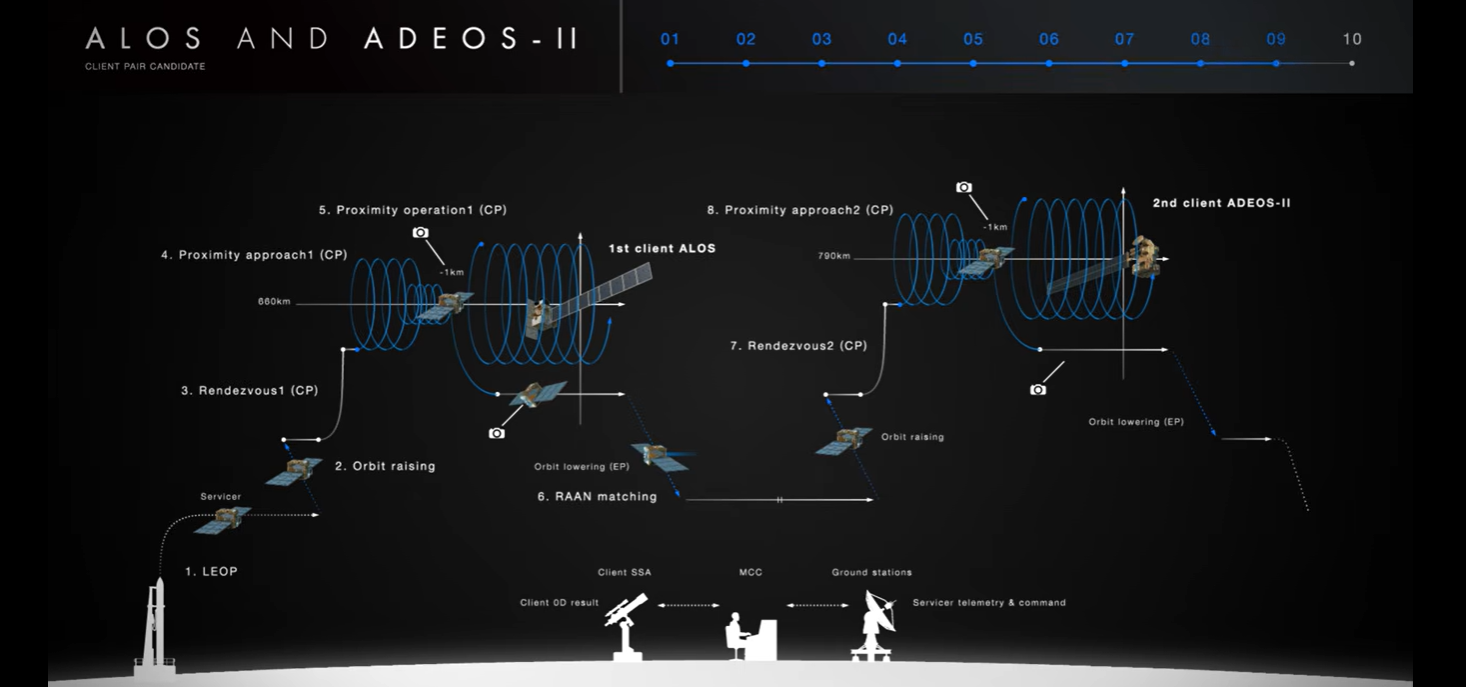
Astroscale concept of operations for ISSA-J1 servicing mission. Source: Astroscale
- Astroscale seems to be firing on all cylinders:
- Astroscale has opened another U.S. office in El Paso [Astroscale]. The U.S. headquarters in Denver was opened in 2019 and Astroscale also has outposts in Washington DC and Huntsville, Alabama. This new office is part of a collaboration with the University of Texas at El Paso (UTEP) and is supporte by an economic development agreement approved by the El Paso City Council. The Astroscale office will be located in the City of El Paso’s Innovation Factory near the El Paso International Airport. The UTEP Aerospace Center collaboration will include research on flight dynamics, autonomy, and space domain awareness.
- Astroscale UK has completed the critical design review (CDR) for two cubesats [Astroscale] for the UK military under the Orpheus moniker. The US $ 7 million mission is being carried out under contract with the UK Defence Science and Technology Laboratory and involves flying a pair of near-identical spacecraft from British small sat manufacturer Open Cosmos in close formation for a year. The spacecraft will carry hyperspectral imagers for detecting and characterizing objects of interest. The cubesats will also study space weather. This mission is aimed at developing and testing new techniques for better space domain awareness as well as sensors for more deeply examining satellites and debris than would be possible with conventional optical cameras.
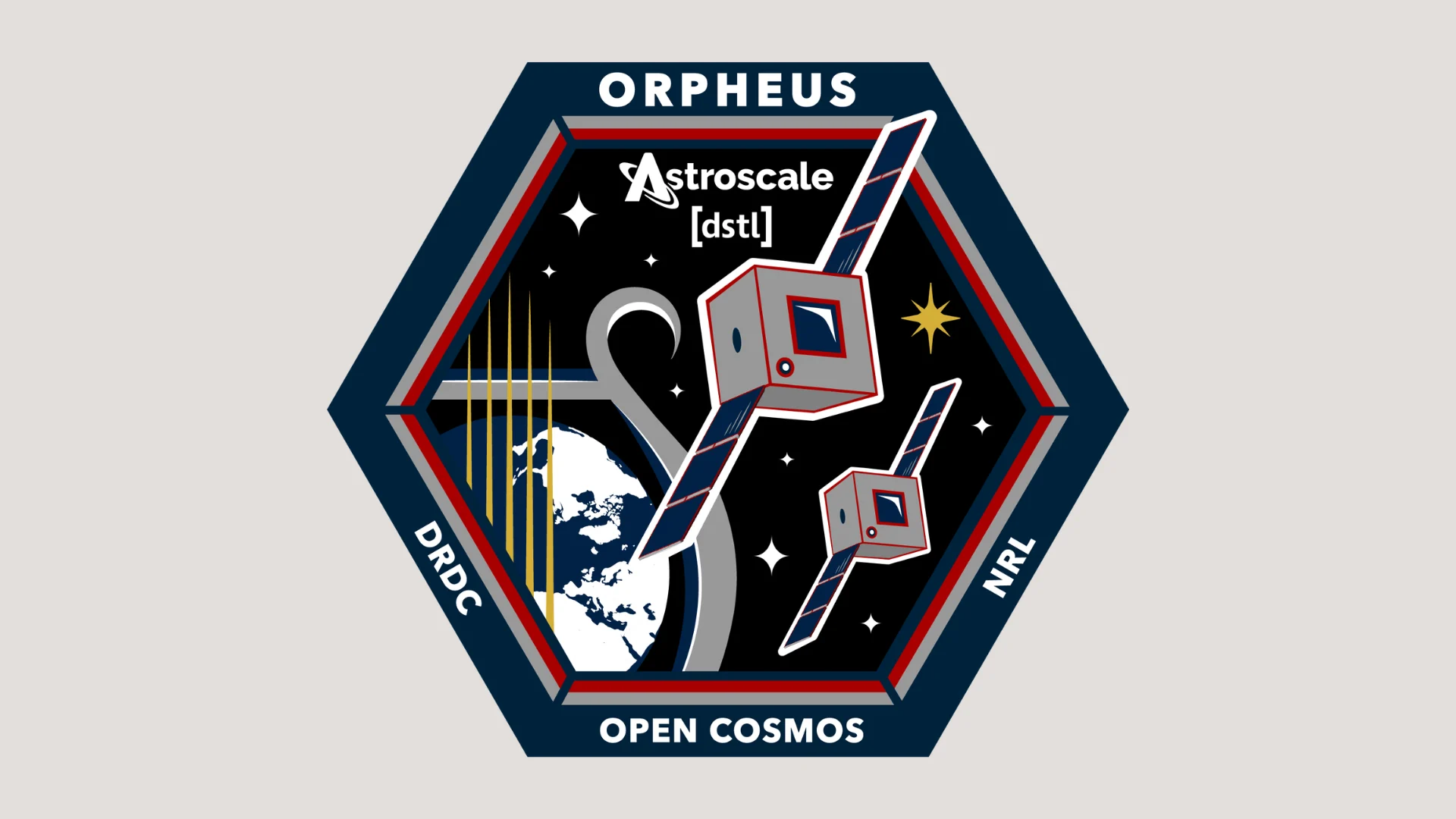
Orpheus mission patch. Source: Astroscale
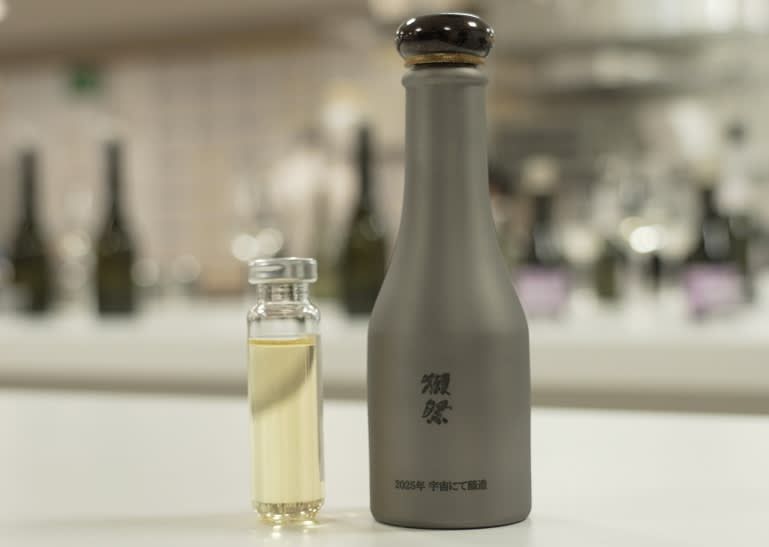
- Dassai sent a batch of rice into orbit on the HTV-X1 cargo ship launched to the ISS last fall. This rice was fermented into a batch of mash as part of an experiment on the Kibo module in November. The fermentation conditions simulated the one-sixth gravity of the moon and achieved a 12% alcohol content. After being returned to Earth in February, it was turned into a single 100 ml bottle of sake [Nikkei Asia] at the Dassai brewery in Yamaguchi prefecture, packaged in titanium, and sold for ¥ 110 million (~US $700,000). The proceeds will apparently be donated to “support future space development initiatives in Japan.”
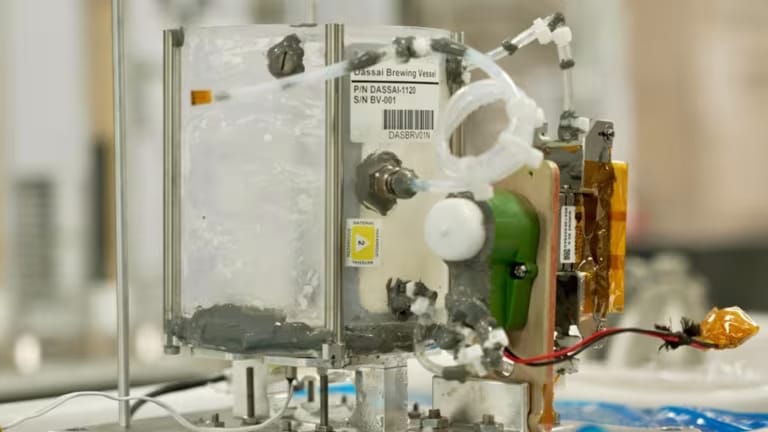
Mitsubishi Heavy Industries and Dassai jointly developed special brewing equipment for use in orbit on the ISS. Source: MHI/Dassai
- AstroX is building infrastructure to support development and testing of its “Rockoon” concept of boosting a rocket to a stratospheric altitude before lighting the rocket engines. To that end:
- AstroX has installed one of Japan’s largest stratospheric environment test facilities (SETS) [AsroX] at its Minamisoma Mission Systems Lab factory in Fukushima Prefecture. The new test facility will enable ground testing the Control Motion Gyroscope (CGM) attitude-control hardware under simulated stratospheric conditions.
- AstroX has also completed a second radiosonde balloon release [AstroX] from the Shitaebashiwa test site, also from the Minamisoma facility. The two releases were aimed at testing a proprietary simulation software tool for predicting future balloon launch trajectories.
- Orbital Lasers signed an MOU with French InfiniteOrbits to develop in-orbit servicing capabilities [Orbital Lasers] that could see Orbital Lasers’ detumbling technology mounted on InfiniteOrbits satellites for active orbital debris removal. This follows on the heels of a ¥3.02 billion (~US $20 million) Series A funding round in March.
- Space Data Inc. (株式会社スペースデータ) released CEPSim (Custom Environment Physics Simulator) on GitHub as an open-source environment physics simulation framework. The tooling is built on Unreal Engine 5.5 and supports digital twin scenarios that require integration of physical law definitions via Python scripts. Use cases include disaster prevention simulation, urban/architectural design verification, research/education, and rapid prototyping.
- Space Shift (スペースシフト) launched some new AI tooling:
- Ocean vessel, oil spill, new building construction, and change detection using ESA’s Sentinel-1 C-band SAR data.
- Embankment Detection AI (盛土検知AI) identify regions with potential unauthorized or illegal land fill (embankment / 盛土) activity by detecting surface changes, enabling municipal authorities to reduce field inspection targets and the burden of mandated five-year surveys under Japan's 2023 Embankment Regulation Act (盛土規制法).
- Idle Farmland Detection AI (遊休農地探索AI) pilot conducted in collaboration with three municipalities in mountainous and fruit-growing regions on terrain types historically difficult for automated detection. The work involved collecting training data with municipal partners and iteratively improving the deep learning model to raise detection accuracy for idle agricultural land.
- T2, the autonomous truck firm, is addressing the worsening logistics driver shortage (the so-called "2024 Problem") by conducting a series of tests and demonstrations this year. These tests are aimed at being able to support Level 4 autonomous truck driving in FY2027.
- Unicharm,, Kyuso Distribution System (KRS), and T2 will transport pet care products along the approximately 500 km Kanto–Kansai highway corridor, with the autonomous driving segment covering roughly 430 km between the Tomei Expressway Atsugi IC (Kanagawa) and the Meishin Expressway Suita JCT (Osaka). Four trial runs are planned between April and November 2026.
- Sumitomo Chemical, Sumika Logistics, and T2 have started the first commercial autonomous truck operations in the chemical industry with regular Level 2 autonomous truck runs on the approximately 520 km route from Sumitomo Chemical Group's logistics hub in Sodegaura City, Chiba to a relay hub in Osaka starting April 6, 2026. The trucks carry synthetic resins and other chemical products. The semi-autonomous trucks utilize "Renewable Diesel," a next-generation diesel substitute capable of effectively eliminating 100% of CO₂ emissions on a lifecycle basis. The collaboration is positioned as a stepping stone toward T2's Level 4 autonomous freight service targeted for FY2027.
- T2 has established two dedicated driver-switching hubs - "TransGates" - to enable the transition between unmanned highway driving and manned surface-road driving that will be essential to its planned Level 4 autonomous truck service: T2 is the first logistics operator in Japan to establish such switching facilities.
- Seino Transportation and T2 have launched Japan's first application of autonomous trucks for "relay transport" (中継輸送) within less-than-truckload (LTL / 特別積合せ) long-haul freight operations in April.
- cosmobloom has completed development of LEAF (Lightweight Expandable Aerobraking Film), a de-orbit device for small satellites [Space Media] that deploys a large-area membrane structure (up to ~3.64 m²) from a compact 0.3U stowed volume to increase aerodynamic drag for orbital decay. The self-deploying design does not use any motors, improving simplicity and reliability. A on-orbit demonstration is planned for winter 2026.
💱 Contracts
- iQPS has signed a contract with Rocket Lab for three more Electron launches [SpaceDaily] starting in 2028 for its SAR satellite constellation. Rocket Lab has already done seven launches for iQPS and had five more on its manifest before this latest award. With both SAR rival Synspective and JAXA launches also booking with Rocket Lab, it’s become Japan’s go-to launch vehicle.
- ispace has signed an MOU with Shimizu Corporation, an architecture, civil engineering and general contracting firm, to develop infrastructure plans for cislunar space and the lunar surface, including facility configurations, construction techniques, power and thermal management, and communications systems. Shimizu is already working on an inflatable lunar habitat concept with support from Japan’s Ministry of Land, Infrastructure, Transport and Tourism (MLIT)’s Stardust program.
- Kanematsu, the Japanese trading company, has inked a partnership agreement with Spanish smallsat firm, FOSSA Systems [SatDaily]. FOSSA began by successfully building and launching tiny 1U cubesats at low cost and has steadily moved to larger 3U and 6U satellites with more capabilities and longer lifespans. FOSSA has been accepted into NATO's Defence Innovation Accelerator for the North Atlantic (DIANA), and armed with this credibility and some success in Europe, it hopes to break into the Asia-Pacific defense market with a Japan office as its first outpost. FOSSA's satellites focus on maritime surveillance and signals intelligence. While the U.S. defense and intelligence marketplace is huge, there are several potential well-funded competitors and ITAR export regulations also add significant costs and complexity. Japan has committed to significantly higher defense spending, maritime defense is a high priority, and with a Japanese trading company [JEO] partner like Kanematsu, Japan is open to procurement from allies.
- A consortium that includes Japan Meteorological Association, Asia Air Survey, Wind Energy Consulting, Kobe University, Tokyo University of Marine Science and Technology, and the National Institute of Advanced Industrial Science and Technology (AIST) has been awarded a two-year ¥830 million (~US $ 5.35 million) R&D contract by NEDO to revise Japan's Offshore Wind Resource Map, known as NeoWins (NEDO Offshore Wind Information System) [NEDO]. NeoWins was originally published in 2017, and the revision will address new industry needs driven by the scaling-up of wind turbines size and an updated regulatory framework. The new NeoWins will incorporate 20 years of WRF (Weather Research and Forecasting Model) mesoscale simulations at 2.5 km resolution covering Japan's entire Exclusive Economic Zone (EEZ), plus additional 500 m resolution WRF runs for onshore areas. Once completed, the revised map is expected to significantly improve site-selection accuracy and business planning for offshore wind developers in Japan.
- SPACETIDE Foundation has signed an MOU with the US Geospatial Intelligence Foundation (USGIF) to cultivate collaboration in the space industry and geospatial intelligence sectors. USGIF hosts conferences, supports education and training, and develops new content and programs for the geospatial intelligence community in the United States. Working together, the two organizations will collaborate on conferences, PR, and encouraging innovation.
- What does this mean? Both of these organizations have close ties to both civilian and defense/intelligence agencies of their respective national governments. Working together will help foster commercial and government relationships between the two countries.
- BULL and Fujitsu have signed an MOU to jointly develop a domestic, high-precision Space Situational Awareness (SSA) service [BULL] for Earth-orbiting debris with the ultimate goal of developing a Space Traffic Management system. BULL will build the orbit analysis models, while Fujitsu will leverage its large-scale data processing and high-precision orbital analysis expertise it has been developing since the 1960s.
- IHI Aerospace and ArianeGroup SAS signed a cooperation agreement to jointly establish and operate a shared Space Situational Awareness (SSA) ground-based optical observatory [IHI] at IHI's Aioi plant in Hyogo Prefecture. The facility will have optical telescopes capable of observing space objects in both geostationary (GEO) and low Earth orbit (LEO), and the data will be independently utilized by each company. The new station will be the 16th optical observatory in ArianeGroup's "Helix" global SSA network. For IA, this agreement expands its existing SSA observation footprint into LEO coverage and advances its goal of commercializing observation data services and observation system exports. The signing ceremony was part of the Japan–France strategic space security collaboration.
- Japan LEO Shachu (株式会社日本低軌道社中) was awarded a grant under the JAXA Space Strategy Fund (宇宙戦略基金) to develop a space station module that can be used for exposing payloads to vacuum while in-orbit. A similar capability is part of the Kibo research module on the ISS, and this project anticipates a similar need on either a future commercial space station or a flight of the HTV-XC cargo spacecraft.
- SKY Perfect JSAT (スカパーJSAT) signed an MOU with Forward Edge-AI to conduct a proof-of-concept (PoC) experiment applying Post-Quantum Cryptography (PQC) technology to satellite communications. The PoC will validate PQC-secured connectivity over a satellite link and then to evaluate communication quality including latency tolerance and stability with the “post-quantum” encryption processing. I wasn’t sure sure what “post-quantum cryptography” meant, so I read about it and it seems to be focused on creating a cryptographic standard that can hold up even against attacks that use quantum computing. The U.S. National Institute of Standards and Technology (NIST) is apparently pushing PQC for next-generation communications infrastructure.
- Space Compass, a joint venture of NTT and Sky Perfect JSAT, was selected for a Space Strategy Fund (宇宙戦略基金) contract to commercialize inter-satellite laser optical links for data relay [Space Compass].
💴 Equity Funding
- Asia Air Survey (アジア航測株式会社) announced equity investments in:
- Zevero, a Singapore-based startup developing an AI-powered carbon management platform and consulting service. Zevero's platform automates Scope 1–3 greenhouse gas emissions data collection and calculation to support ESG disclosures, product design, and procurement strategy. Zevero alreday has enterprise customers in more than 20 countries. AAS plans to combine Zevero's sustainability platform and consulting services with its own geospatial information technologies and public-sector service expertise.
- Dronamics Global, a Dublin, Ireland developer and operator of uncrewed cargo aircraft and transport services. AAS is the first Japanese investor, and Dronamics announced the establishment of a Japan subsidiary, Dronamics Japan. Dronamics' uncrewed aircraft "Black Swan" is designed for high payload capacity, long-range flight, and cost-efficient operations and has applicability in logistics and surveying. AAS technical support for expanding Dronamics' service reach, and to pursue work related to UAV-based resilience and disaster-response.
- Dynamic Map Platform (DMP) has acquired Likanos Co. (株式会社リカノス), a drone surveying specialist [DMP] established in 2006. This follows DMP’s acquisition of Nihonkai Sokuryo Sekkei Co., also a UAV photogrammetry and survey specialist. The Likanos acquisition signals a rollup strategy of regional survey companies as part of its "Modeling the Earth" vision to build a nationwide digital drone survey network.
- Asia Air Survey (アジア航測株式会社) has taken an equity investment in Dronamics Global (Dublin, Ireland; CEO: Svilen Rangelov), becoming the first Japanese investor in the company. Dronamics develops and operates unmanned cargo aircraft, including the "Black Swan" fixed-wing UAV, which offers high payload capacity, long-range flight, and cost efficiency for applications including logistics and aerial surveying. As a direct consequence of the investment, Dronamics also established a Japanese subsidiary, "Dronamics Japan Holdings"..
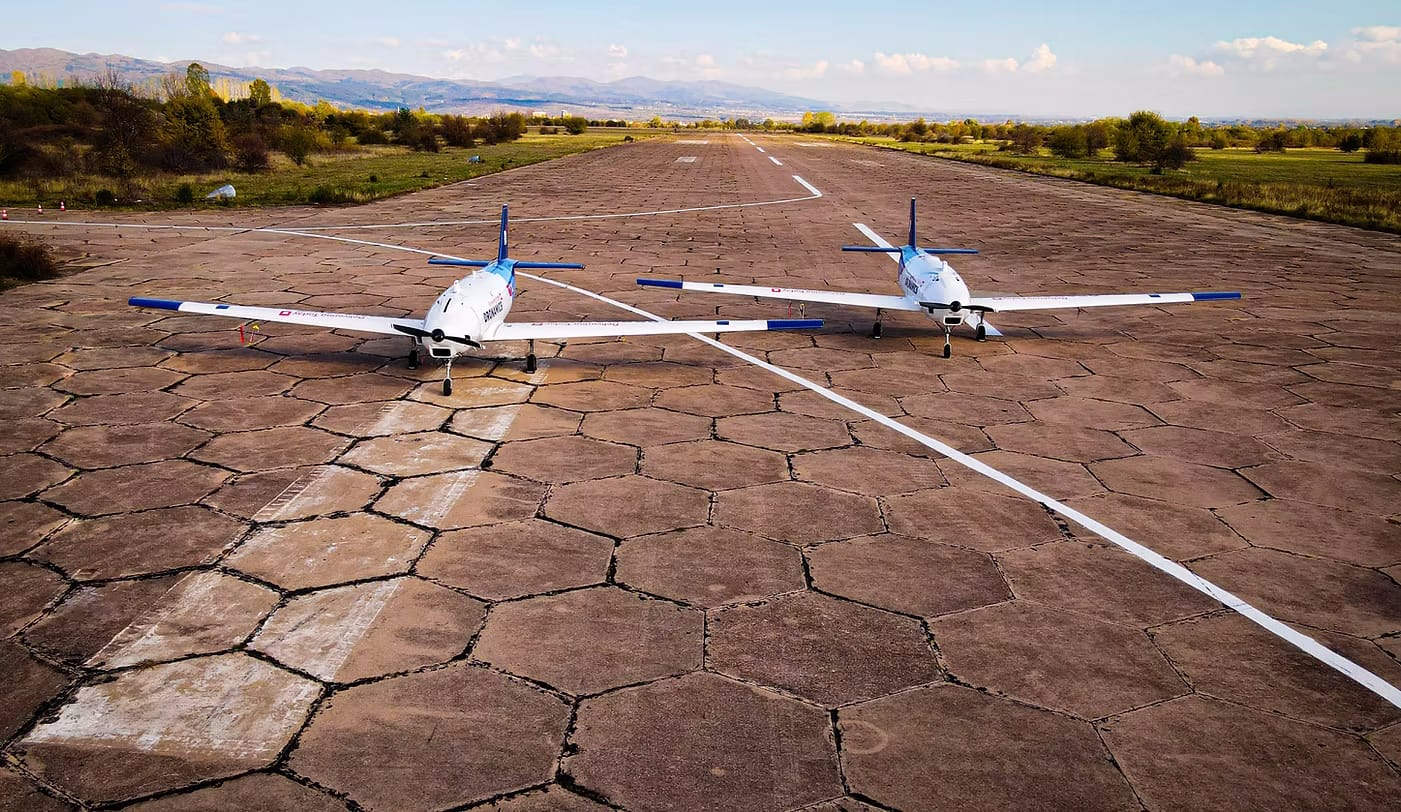
Dronamics cargo drones. Source: Dronamics
🔭 Science
- JAXA and Japan Space Systems (JSS) are planning to test transmission of solar power from low Earth orbit (LEO) to the Earth’s surface [Nikkei Asia]. A satellite, dubbed Ohisama (お日様), carrying a 2m solar panel will be launched into a 450km orbit and will transmit energy via microwaves to a location in Saitama prefecture. The experiment will test the interaction of the ionosphere with the microwave energy. A 2023 experiment by the California Institute of Technology tested transmission of solar power via microwaves but did not attempt to actually extract electricity from the transmission. JAXA aims to be the first experiment to do so. In addition to providing solar power to the Earth’s surface, there is interest in using orbital solar arrays to power a lunar base at the south pole, where there is limited exposure to sunlight. JAXA plans to launch the test satellite via the SPACE ONE Kairos rocket. The longer term goal is to be able to generate one gigawatt from geostationary orbit by 2050 at a comparable cost to solar generation on the Earth’s surface.
- JAXA and the National Institute of Polar Research (NIPR) reported that Arctic winter sea-ice extent in 2026 set a new all-time record low since satellite observations began in 1979 [JAXA], surpassing the previous record set in 2025. The annual maximum Arctic sea-ice area reached only 13.76 million km² on 13 Mar, about 30,000 km² smaller than the 2025 record. This continues a long-term trend of declining by approximately 44,000 km² per year. Japan has some EO satellites that are particularly well-suited to evaluation of sea ice. These measurements are derived from the Advanced Microwave Scanning Radiometer 2 (AMSR2) aboard JAXA's Global Change Observation Mission–Water (GCOM-W / "Shizuku") satellite, as well as from AMSR3 aboard the recently launched GOSAT-GW ("Ibuki-GW") satellite. The latter satellite is still currently undergoing calibration/validation but is confirmed to provide data quality equivalent to AMSR2.
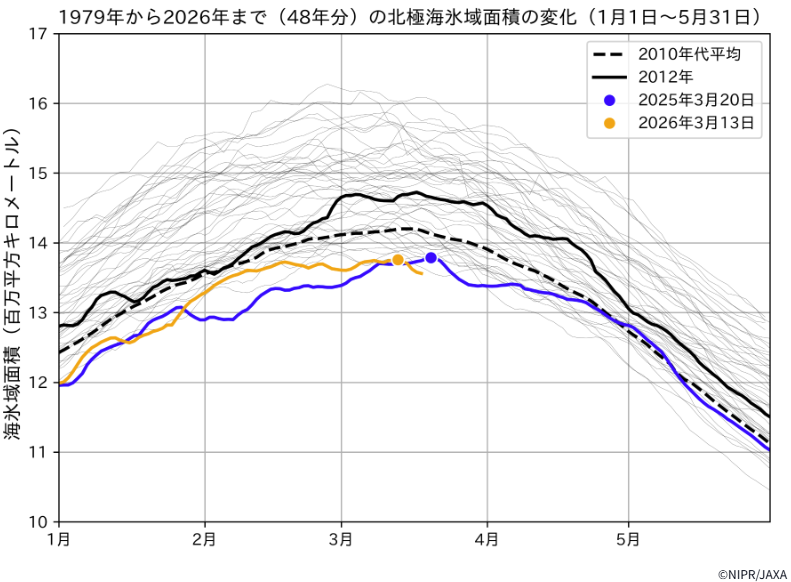
Arctic sea-ice extent from January 1 to May 31 for 1979–2026. The 2026 extent is shown in an orange thick line (through March 18), the 2025 in a blue thick line, the 2012 in a black thick line, and other years as black thin lines. The 2010s (2011–2019) mean is indicated by the black dashed line. Here, sea-ice extent was calculated using a five-day average. Blue and orange circles indicate the sea-ice extent maximum in 2025 and 2026, respectively. Source: JAXA/NIPR
🗺️ International Collaborations
- JAXA welcomed a delegation from India’s ISRO to the Tanegashima launch site from which an H3 rocket will launch the LUPEX lunar mission (also called Chandrayaan-5). The technical teams have met regularly over the past year in order to coordinate their work. India is building the lander, while Japan is building a lunar rover. Instruments from ESA and NASA will also be on board. The mission expects to launch in 2028.
- JAXA and ESA signed a formal Memorandum of Cooperation to work together on the Rapid Apophis MIssion for Space Safety (Ramses) [ESA]. The two agencies had previously announced the planned mission in 2024, but the formal memorandum commits them to funding and building the spacecraft. ESA will oversee the spacecraft manufacturing, led by OHB Italia as the prime contractor. Japan will contribute solar panels, an infrared imager, and launch aboard an H3 rocket. JAXA and ESA have several active collaborations, including EarthCARE cloud and aerosol mission, the BepiColombo mission to Mercury, and the Hera planetary defense mission to the Didymous binary asteroid system. The Ramses spacecraft will be launched in 2028 for rendezvous with the asteroid (99942) Apophis when it has a rare, close flyby of Earth in April 2029.
- ispace and South Korean space robotics company Unmanned Exploration Laboratory (UEL) signed a Payload Service Agreement (PSA) to transport UEL's SCARAB two-wheeled, 2-kg class micro-rover to the lunar surface aboard ispace's new ULTRA lunar lander as part of Mission 3 (targeted for 2028). If successful, the mission will mark the first Korean-developed rover to operate on the Moon's surface. The SCARAB rover is designed to acquire image data during the lunar day, generate 3D imagery of the lander, and accommodate up to 200g of additional payloads via an internal bay. Mission 3 is funded through a Small Business Innovation Research (SBIR) grant from Japan's Ministry of Economy, Trade and Industry (METI).
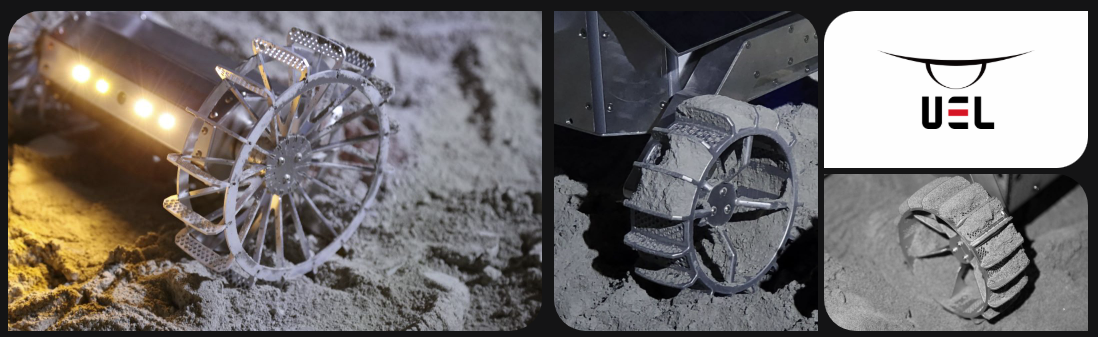
UEL two-wheeled rover that will ride ispace ULTRA on Mission 3. Source: UEL.
🎥 Videos
JAXA
- "Kakushin Rising" press conference [Japanese]
- “Kakushin Rising” launch by Rocket Lab from New Zealand [English]
📝 Reports and Datasets
- Preferred Networks (PFN) released PLaMo-VL, a Vision-Language Model (VLM) purpose-built for drones, robots, surveillance cameras, and vehicles. Developed under Japan's METI/NEDO GENIAC program, the release includes two model variants, both openly available on Hugging Face. These models enable on-device AI model execution for industrial inspection and geospatial monitoring scenarios without requiring cloud connectivity or high bandwidth connections. [Data on HuggingFace]
📆 Asia-Pacific Conferences & Events
This newsletter is mostly focused on Japan, but I also like to highlight events across the Asia-Pacific region. Some upcoming conferences in 2026 include:
June 2026
- 58th Fluid Dynamics Conference / 44th Aerospace Numerical Simulation Symposium (第58回流体力学講演会 /第44回航空宇宙数値シミュレーション技術シンポジウム) - 24 - 26 June - Tottori, Japan
- Aeromart Hyderabad - 29 June - 1 July - Hyderabad, Telangana
July 2026
- SPACETIDE 2026 - 6 - 9 July - Tokyo, Japan
- IEEE Space 2026 - 19 - 21 July - Bengaluru, India
- 19th Australian Space Forum - 21 - 22 July - Adelaide, Australia
- 26th ISAS Space Science Symposium - 23 Jul - 24 Jul - Sagamihara, Japan
- JSASS 68th Structural Strength Lecture Conference 2026 - 29 Jul - 30 Jul - Otsu, Japan
August 2026
- 23rd Annual Meeting of the Asia Oceania Geosciences Society (AOGS ) - 2 - 7 Aug - Fukuoka, Japan
- 36th Astrodynamics Symposium - 3 - 5 Aug - Sagamihara, Japan
- 15th CanSat/CubeSat Leader Training Program (CLTP) - 18 - 28 Aug - Chiba, Japan
- Cesium DevCon Japan - 19 Aug - Tokyo, Japan
- Cloud Native Geospatial (CNG) Forum - 24 Aug - Tokyo, Japan
- STAC Sprint and Workshop - 25 - 27 Aug - JAXA Tsukuba Space Center, Tsukuba, Ibaraki, Japan
- Misasa Deep Space Ground Station Open House - 29 Aug - JAXA Usuda Deep Space Center
- FOSS4G Hiroshima - 30 Aug - 5 September - Hiroshima, Japan
September 2026
- Bengaluru Space Expo (BSX) 2026 - 7 - 9 Sep - Bengaluru, India
- UN/Republic of Korea Workshop on ISWI - AI-Enabled Space Weather 2026 - 7 - 11 Sep - Seoul, South Korea
- 35th Congress of the International Council of the Aeronautical Sciences (ICAS) - 13 - 18 Sep - Sydney, Australia
- 25th Australian Space Research Conference (ASRC 2026) - 29 Sep - 1 Oct - Adelaide, Australia
I’d like to highlight one of the above listed events for 29 Aug. JAXA will hold a rare, special open house at the Misasa Deep Space Ground Station (美笹深宇宙探査用地上局) (part of the Usuda Deep Space Center) on 29 Aug. There will be morning and afternoon sessions, and you have to sign up in advance. But if you are one of the hundreds of people flying into Tokyo for FOSS4G in Hiroshima, it might be a fun excursion.
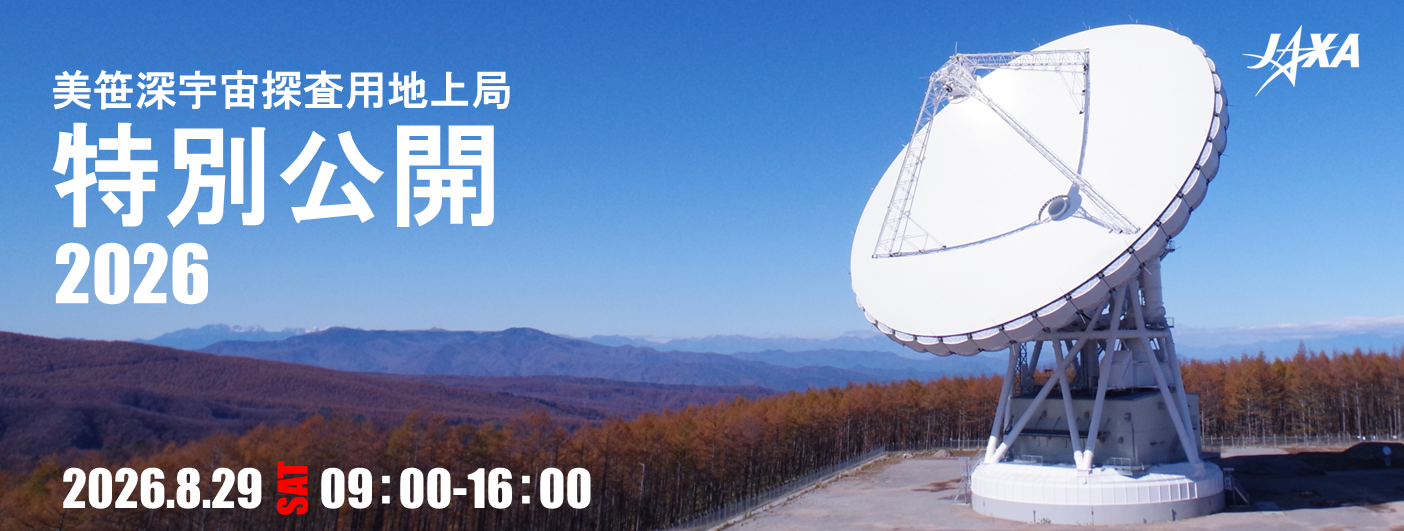
If you’ve made it this far, thank you for reading. Please be in touch via LinkedIn with any feedback, questions, comments, or requests for future topics. And if you have a friend or colleague that you think would enjoy JEO, please share it!
Until next time,
Robert
Wake up, wake up!
I want you for my companion,
sleeping butterfly.
–- Matsuo Bashō (1644–1694) - translated by Robert Hass
起きよ起きよ
我が友にせん
ぬる蝶
okiyo okiyo
waga tomo ni sen
nuru chō